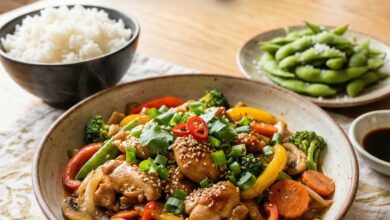
Best Chicken Recipes in the World: Top 5 Picks (And How to Stop Ruining Your Chicken Forever)


📋 Quick Heads Up Before We Dive In:
- Dry chicken? It’s almost always because you cooked it too long — pull it off at 165°F (74°C) and thank me later
- Soaking chicken in saltwater (brining) is genuinely life-changing and takes zero skill
- The best chicken recipes in the world all have one thing in common: they don’t skimp on seasoning
- Thighs are way more forgiving than breasts — but we’ll teach you how to nail both
- Butter Chicken, Southern Fried, Thai Basil — yes, you can make ALL of these at home. Promise.
I. Okay, Let’s Talk About Chicken
Here’s a fun fact to drop at your next dinner party: humans have been cooking chicken for over 8,000 years. Eight. Thousand. Years. You’d think by now we’d have it completely figured out, right?
And yet… we’ve all been served that one piece of chicken. You know the one. Dry as a desert, somehow both flavorless AND burnt, requiring approximately half a bottle of hot sauce just to get through. It’s a culinary crime, and it happens way too often.
But here’s the thing — it’s not your fault. Nobody ever sat you down and explained why chicken goes wrong or what the world’s best cooks actually do differently. That’s exactly what we’re doing today.
We’re talking pro chef secrets, global flavor traditions, and the kind of tips that’ll make your friends think you secretly attended culinary school. From Romanian Sunday roasts to Jamaican Jerk that’ll make your eyes water (in the best way), we’re covering the best chicken recipes in the world — and making sure you can actually pull them off in your own kitchen.
Let’s go. 🍗
II. Why Your Chicken Is Dry (And How to Fix It for Good)
Before we get to the fun recipe stuff, we need to have a quick heart-to-heart about technique. Stick with me here — this section will genuinely change the way you cook forever.
The Temperature Thing Nobody Talks About Enough
Here’s the deal: 165°F (74°C) is the magic number. That’s when chicken is safe to eat. The moment you push way past that, the proteins basically freak out, squeeze all the moisture out, and you’re left with something resembling a dried-out sponge.
Do yourself a favor and grab a cheap instant-read thermometer. Seriously, they’re like $15 and they’ll save you from more sad dinners than you can count.
Four Little Tricks That Make a Huge Difference
Pat it dry first. I know it sounds weirdly basic, but before you cook your chicken, pat it completely dry with paper towels. Wet chicken = steam = no crispy skin. Dry chicken = gorgeous golden crust. Simple as that.
Pound it out. Chicken breasts are thicker on one end and thin on the other, which means one part overcooks while the other is still raw. Genius design, right? Fix it by putting your breast between two pieces of plastic wrap and giving it a good whack until it’s even. Therapeutic AND delicious.
Try brining — just once. Mix a tablespoon of salt into a cup of water, dunk your chicken in it, and leave it in the fridge for anywhere between 1 and 12 hours. This sounds fancy but it’s genuinely just salted water. The result? Chicken so juicy you’ll wonder what you’ve been doing with your life until now.
LET IT REST. I’m begging you. After cooking, just walk away for 8–15 minutes before you cut into it. The juices need time to settle back into the meat. Cut too early and they all run onto your cutting board, leaving you with… yep, dry chicken again.

III. Spices: The Part Where Chicken Actually Gets Interesting